From Product Placement to Cultural Capital: The Rise of the Intellectual Influencer


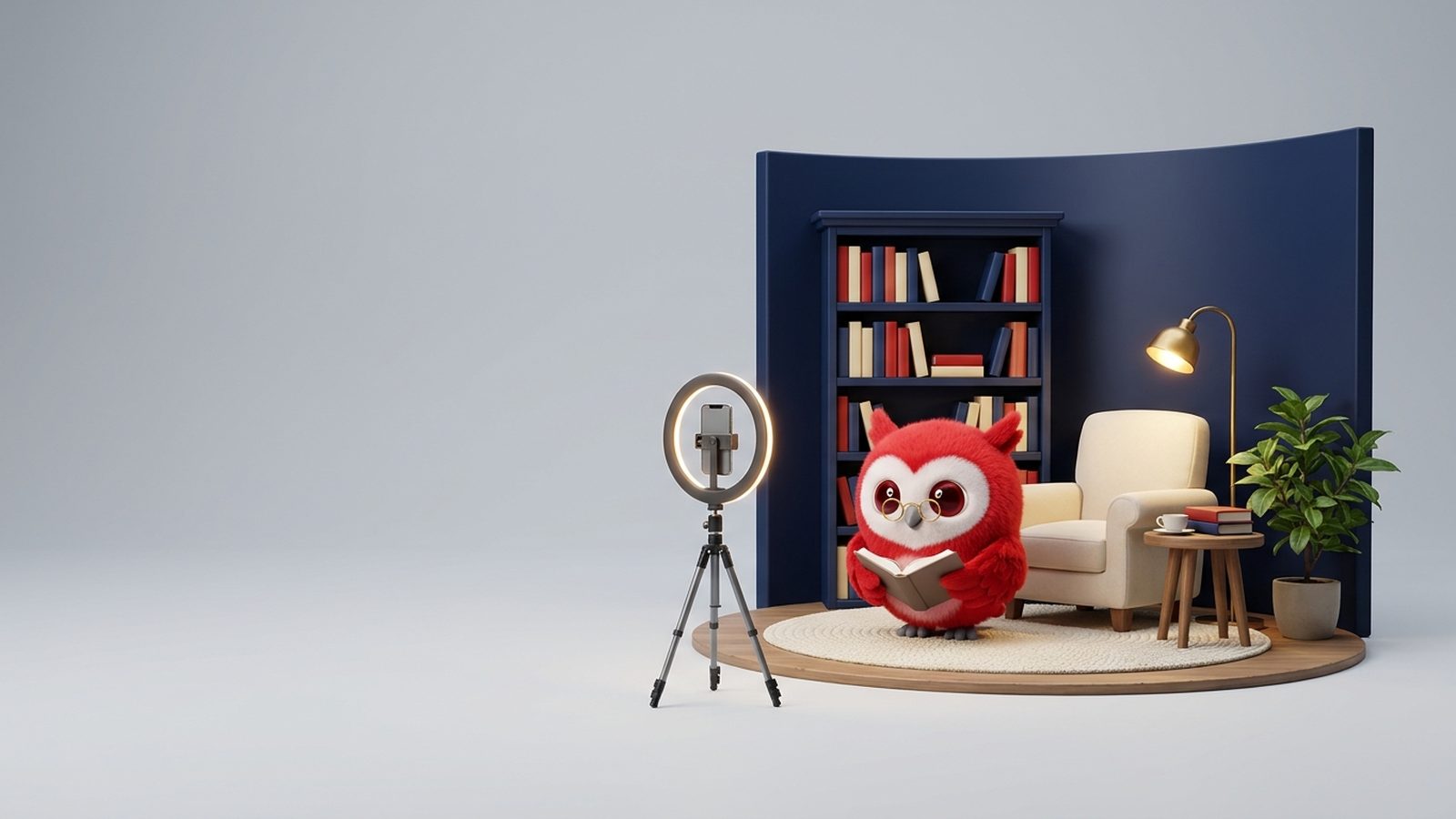
Scroll through Instagram for five minutes and you will see the same faces selling a serum, a phone plan and a holiday, one after another. Audiences have noticed. The question for brands is no longer whether influencers reach people, but whether people believe them. A recent reel by Tamer Işıtır of @allstreet.journal described this as the start of an “intellectual influencer” era: creators valued for what they know and how they think, not only for how they look. We liked the idea enough to look at the evidence behind it, and at what it means for brands working in Poland.
The trust gap in Poland
A study by Wavemaker, GroupM and Choreograph, “Influencerzy pod lupą: etyka w social mediach” (reported in February 2025), puts numbers on the problem. Influencers still drive discovery: 72% of respondents said they first heard about a new brand through an influencer, and among Gen Z it was 87%. But trust is thin. Only about one in six influencers is trusted or admired by Poles, 55% have unfollowed an influencer over behaviour they did not like, and 65% of marketers see influencer marketing as rather or very risky.
Put simply: influencers open the door, but many of them cannot carry a brand through it. Reach without trust is expensive attention.
What some luxury houses did
Some of the most image-conscious brands in the world have started investing in ideas, not only in faces. They still work with classic ambassadors; they have added cultural partnerships next to them.
- Chanel, Rendez-vous littéraires. Since 2021, Chanel has hosted literary conversations with women writers, curated by its ambassador Charlotte Casiraghi. The programme has travelled, including an edition in Dakar in 2022, and has grown into a summer reading series about literary heroines.
- Miu Miu Literary Club. First held in Milan in April 2024, the club brings writers and readers together around a theme: “Writing Life” in its first edition, “A Woman’s Education” in 2025.
- Bottega Veneta, “Craft Is Our Language”. For the 50th anniversary of its Intrecciato weave in spring 2025, the house cast artists, writers and performers rather than professional models, among them Zadie Smith, Julianne Moore and Tyler, the Creator.
The common thread: the brand borrows credibility from people known for a body of work, and gives the audience something worth its time: a book, a conversation, a story about how something is made.
Ideas sell, too
This is not only about prestige. Citing NielsenIQ BookData and Media Control, TikTok says more than 50 million books recommended on #BookTok were sold in 2025 across six European markets (Germany, the UK, Spain, Italy, Austria and Switzerland), worth over €800 million. Poland is not in that data, so we will not guess a Polish figure. But the pattern is clear, and the hashtag has hundreds of billions of views, according to TikTok: people buy on the recommendation of someone whose taste and judgement they trust.
What this means for brands in Poland
1. Start from an idea, then pick the face
Most briefs begin with “find us an influencer with X followers”. Turn it around. Decide what your brand has to say or teach (the craft behind the product, the culture it comes from, the problem it solves) and then find the person who can talk about it credibly. For a Turkish brand entering Poland, that idea might be the region, the technique or the tradition behind the product.
2. Choose niche creators with focused audiences
A creator who reviews books, explains history or teaches a craft usually has a smaller audience than a lifestyle star, but one that follows them for a reason. That focus is what makes a recommendation land. We wrote more about working with smaller creators in our micro-creator playbook.
3. Use formats that give something back
- a reading club or a monthly book pick connected to your brand’s world;
- a talk or a live Q&A with an expert;
- an explainer series that answers real questions from your customers;
- a craft or making-of story, filmed where the product is made;
- a curated recommendation list: books, places, films or tools.
These formats build a story over time instead of a one-off discount, the same argument we made in Narratives over discounts.
4. Check real reach, not follower counts
Follower numbers say little about who is actually watching. In our Influencer Lab directory, creators can connect their Instagram account, so we see verified reach and audience data instead of screenshots.
5. Label paid content clearly
An intellectual angle does not change the rules. UOKiK’s recommendations on labelling influencer advertising (September 2022) ask creators to name the brand and to make the label clear at first glance, not hide it among hashtags. Credibility built on ideas disappears fast if the audience feels misled.
When it does not fit
We would not recommend this approach for everything:
- Impulse and low-price products usually sell better with fast, simple content and a clear offer.
- Short promotional bursts, such as a weekend sale or a launch countdown, need reach quickly; idea-led formats take time to build.
- Creators without real expertise in the topic. A lifestyle creator reading a script about philosophy convinces no one.
And do not fake intellect. Audiences spot a staged bookshelf quickly, and the backlash can cost more than the campaign earned.
How we work
Our Influencer Lab now has two new creator categories, Books & Culture and Education & Ideas. We match brands with niche and expert creators, plan idea-led formats with them, and verify reach before anyone signs. See our Influencer Lab service, or get in touch to talk about your brand.
FAQ
Is an intellectual influencer just a book blogger?
No. Books are the most visible example, but the idea covers anyone valued for what they know: a historian, a scientist who explains things simply, a chef who knows where a cuisine comes from, an architect, a craftsperson. What matters is real expertise and an audience that trusts their judgement.
Do niche creators reach enough people?
Each one reaches fewer people than a celebrity. That is why we often work with several niche creators at once and judge them by the quality of the audience and its response, not by follower count alone. For awareness at scale, combine them with paid media.
How do we know a creator’s audience is real?
We ask creators to connect their Instagram account in the Influencer Lab, which gives us reach and audience data from the platform instead of self-reported numbers. We also read the comments and look at past brand work before recommending anyone.
Sources
- Tamer Işıtır, @allstreet.journal reel on the intellectual influencer era (inspiration)
- Wavemaker, GroupM and Choreograph study, via Wiadomości Kosmetyczne (February 2025)
- Chanel Rendez-vous littéraires: Vogue Singapore, The Impression
- Miu Miu Literary Club, The Impression
- Bottega Veneta “Craft Is Our Language”, Hypebae (May 2025)
- TikTok Newsroom on #BookTok book sales in Europe
- UOKiK recommendations on labelling influencer advertising, Gazeta Prawna (September 2022)
Latest insights
Newsletter
Subscribe our
newsletter
By clicking the submit button, you agree to the
rules for processing personal data.