Getting a Cosmetics Brand onto a Polish Shelf


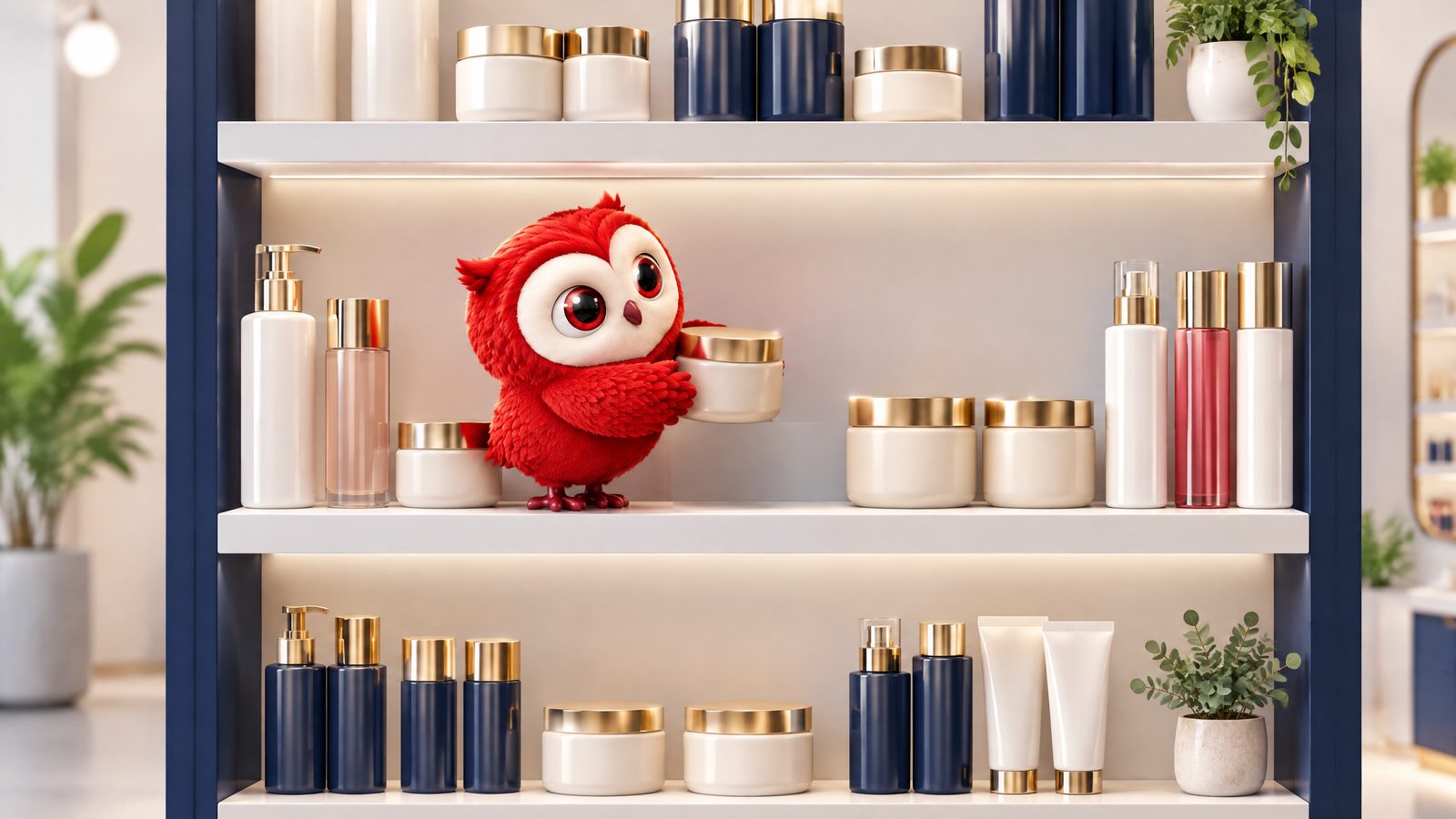
Before a single unit of your cosmetic can legally be placed on the Polish market, it has to be notified through the EU's Cosmetic Products Notification Portal by a Responsible Person established in the European Union. Not your Turkish company. A person or entity inside the EU who carries the legal responsibility for that product.
That is the gate, and it is the reason brands with excellent products and a willing buyer still fail to get on a shelf. The buyer is not asking whether your cream is good. They are asking who is legally responsible for it in Europe.
What the Responsible Person actually is
It is a role, not a formality. The Responsible Person holds the product information file, stands behind the safety assessment, handles the notification, and is who a regulator or a retailer contacts when there is a question. You can be your own Responsible Person if you establish an EU entity, or you can appoint one — a distributor, an importer, or a specialist service.
The decision matters commercially, not just legally, because whoever is the Responsible Person has structural leverage over your European business. If your Polish distributor is also your Responsible Person, changing distributor means renegotiating your regulatory position at the same time. That is a bad place to be in a pricing conversation. Brands that intend to be in Europe for a decade usually decide to hold it themselves.
Distributor or direct?
| Through a distributor | Direct to the chains | |
|---|---|---|
| Speed to shelf | Faster — they have the relationships and the listings | Slower; you are building a commercial function from nothing |
| Margin | You give away a layer of it, permanently | You keep it and pay for the team instead |
| Control | Their portfolio priorities, not yours. You are one line among many | Yours, including the mistakes |
| Regulatory | Often bundled with the Responsible Person role — read that clause carefully | You hold it, which is cleaner long-term |
There is no universally right answer, but there is a common wrong one: treating a distributor as a way to avoid learning the market. You will end up with shelf presence you cannot explain and no idea which SKU works, and when the relationship ends you start from zero.
What a Polish buyer actually asks
The drugstore and grocery channels — Rossmann, Hebe, Drogeria Natura, and the grocery chains — are the volume in Polish beauty. A category buyer's questions are boringly consistent:
- Who is the Responsible Person and is the CPNP notification done? No answer here ends the meeting.
- Polish labelling. Compliant, legible, and printed — not a sticker applied in a warehouse, which looks exactly like what it is.
- Can you supply reliably, and can you supply a promotion? A chain's promotional mechanic will move more units in two weeks than your baseline does in a quarter. Failing to supply one is how brands get delisted.
- What are you doing to create demand? Shelf space is not distribution. A buyer wants to know the product will leave the shelf, because dead stock costs them more than it costs you.
- What is the trade investment? Listing economics vary by chain, category and negotiation, and we are not going to publish a number we have not negotiated. Expect it to be real, expect it to be asked for, and budget for it before you pitch.
The half that decides whether you stay
Getting listed is a sales achievement. Staying listed is a marketing one. Rate of sale is the only metric that renews a listing, and it is made of things that happen nowhere near the shelf: Polish-language social, creators who actually use the category, paid search on the product name once people start looking for it, and reviews in Polish.
That is our half of this. See social media management, influencer marketing and brand identity, and Enter Poland for how it sits alongside the company and the store.
What we are not
We are not a regulatory consultancy and we do not act as your Responsible Person. We will tell you plainly that you need one before anything else happens, and we work alongside whoever does it.
We manage beauty brands in the Polish market and would rather show you than assert it — a named case study for this post is with the client for approval, and we will add it here rather than describe someone's terms without their permission.
Tell us what you make and we will tell you what the first three months would actually look like.
Frequently asked questions
What is a Responsible Person for cosmetics in the EU?
A person or entity established in the EU who carries legal responsibility for the product: holding the product information file, standing behind the safety assessment, making the CPNP notification, and answering regulators and retailers. A non-EU manufacturer cannot be its own Responsible Person without an EU entity.
Do I need CPNP notification to sell cosmetics in Poland?
Yes. Notification through the EU Cosmetic Products Notification Portal by an EU-established Responsible Person is required before a product is placed on the market. It is the first question a Polish category buyer asks.
Should my Polish distributor also be my Responsible Person?
It is common and it is worth thinking about first. Whoever holds the role has structural leverage: changing distributor then means renegotiating your regulatory position at the same time. Brands planning a decade in Europe usually hold it themselves.
How much does it cost to get listed in a Polish drugstore chain?
We will not publish a number we have not negotiated — it varies by chain, category and the strength of your case. What we will say is that trade investment is real, it will be asked for, and a brand that has not budgeted for it before pitching is not ready to pitch.
Latest insights
Newsletter
Subscribe our
newsletter

By clicking the submit button, you agree to the
rules for processing personal data.