
Selling a Turkish Brand in Poland Without a Warehouse


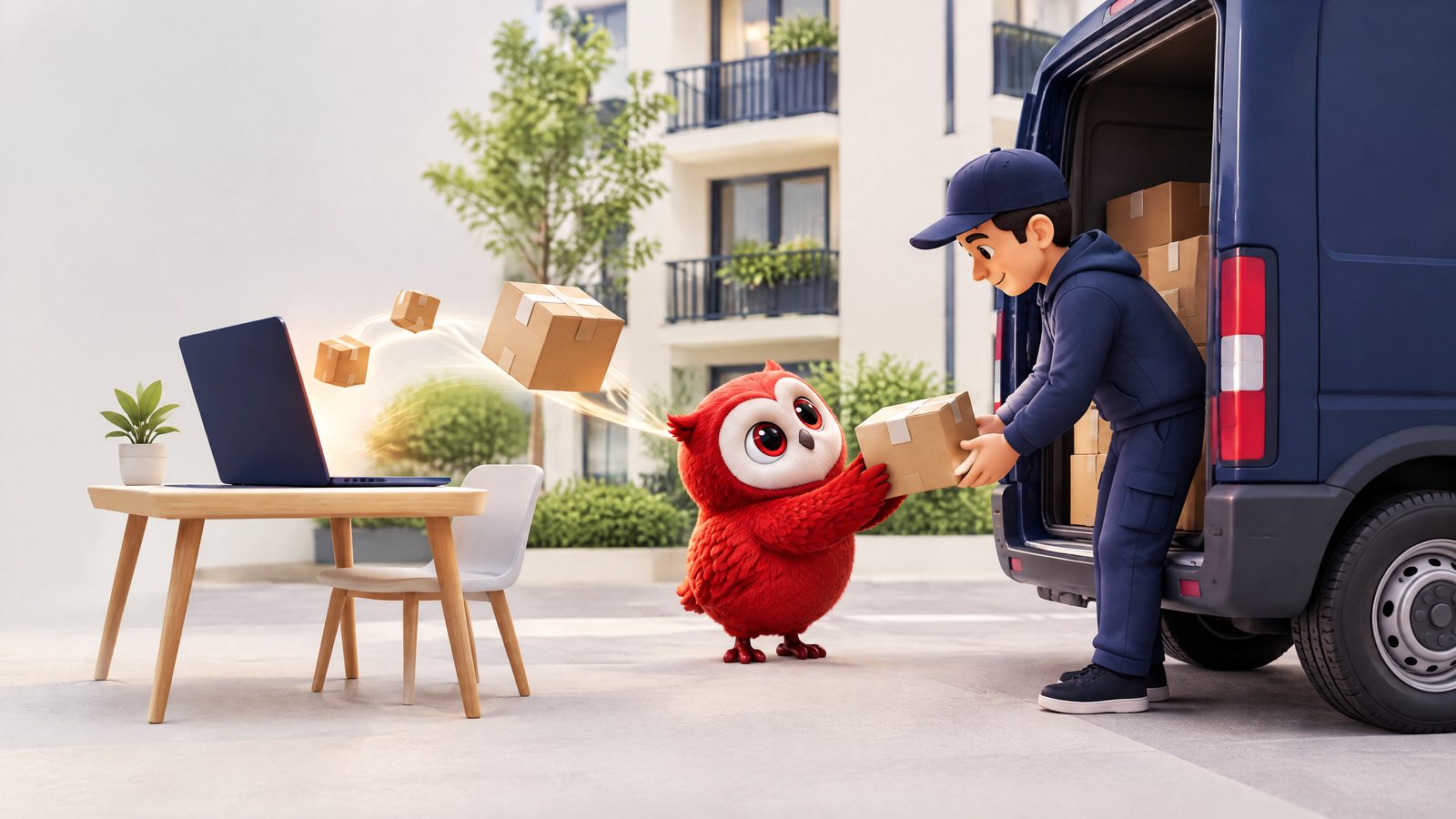
Allegro is not registered for IOSS. If you sell into Poland through Allegro from outside the EU, Allegro does not settle the import VAT — whatever the value of the transaction — and it can land on your customer at the door. A Polish buyer who ordered at one price and is asked for more by a courier does not pay it. They refuse the parcel and leave a review.
That is the single most expensive thing a Turkish brand can not know about the Polish market, and it is why "just list on Allegro" is not a strategy. Here is the shape that does work.
First: the rules changed in July 2026
Two things a 2025 article will get wrong. The EU abolished the EUR 150 customs-duty exemption for low-value imports on 1 July 2026, and a temporary flat duty of EUR 3 per item now applies to e-commerce consignments valued at or under EUR 150 arriving from outside the EU. On a EUR 12 cosmetic that is a 25% cost line that did not exist last year.
Now the part that matters specifically to you, and that we are not going to answer for you: Türkiye is in a customs union with the EU for industrial goods, which makes those duty-free on an A.TR movement certificate. Textiles and most manufactured consumer goods are industrial goods. Agricultural products, coal and steel are outside the union and run on separate preferential arrangements. How the new flat low-value duty interacts with a customs-union consignment is a customs question with real money on it, and the honest answer from a blog post is: put it to a customs broker in writing before you model your pricing. Anyone who tells you confidently either way without checking is guessing.
The three models, and when each stops working
| Model | Works when | Breaks when |
|---|---|---|
| Ship each order from Türkiye | You are testing demand, order values are high enough to absorb duty and freight, and delivery promises are honest about the border | Volume arrives. Per-parcel customs handling, the flat duty and multi-day delivery all scale against you |
| Stock in the EU with a 3PL | You have repeat demand and want next-day delivery and painless returns | You need a Polish VAT position and a returns address anyway — so you are most of the way to the third model |
| A Polish company holding the stock | Poland is a market rather than an experiment: local invoicing, Allegro as a domestic seller, BLIK, a Polish returns address | It does not, which is why almost everyone ends here. The question is how much you spend learning it. |
On VAT: an EU-established seller crossing EUR 10,000 of cross-border B2C sales registers once for OSS and files EU-wide. A seller established outside the EU shipping goods in is a different regime — IOSS for consignments at or under EUR 150, typically through an intermediary, or import and account locally. These are not interchangeable and the marketplace's own registration status changes who pays what. Confirm your position with a tax adviser; we are not one.
What Polish buyers actually require
Not prefer. Require.
- BLIK. A Polish checkout without it is a checkout with a leak. It is not a card scheme, it is how people pay.
- InPost lockers. Parcel lockers are the default delivery expectation, not an option to offer. "Courier only" reads as foreign.
- A Polish returns address. Returning a parcel to Türkiye is a reason not to buy in the first place, and the buyer works that out before checkout.
- Polish that reads as written, not translated. Machine-translated product copy is the clearest possible signal that nobody local stands behind the order.
Allegro or your own store?
Both, in that order. Allegro is where Polish demand already is — it is the search bar for a large share of the market, and listing there tells you what sells and at what price before you spend on traffic. But you rent the customer. The listing is Allegro's relationship, the pricing pressure is permanent, and you learn nothing about who bought.
So: prove the category on Allegro, build the store to own the repeat, and run them together rather than sequentially. We wrote the store-architecture half of this in the Shopify cross-border playbook — Markets, structured product data, the subdirectory-versus-domain decision — and there is no point repeating it here.
Where we come in
The company, the localised store, the Allegro listing quality, the Polish-language content and the paid layer above it. See e-commerce and Enter Poland, or how it went for Textil World, a Turkish fabric brand that went from a domestic catalogue to selling cross-border.
We are not your customs broker and not your tax adviser. We will tell you which one you need first.
Rules and rates in this post checked September 2026. The July 2026 low-value import changes are recent and still settling — verify before you price on them.
Frequently asked questions
Does Allegro handle import VAT for sellers outside the EU?
No. Allegro decided not to register for IOSS and does not settle VAT on imported goods regardless of transaction value, so the import VAT may be paid by your buyer. Plan for that before you list, not after the first refused parcel.
Is there still a EUR 150 duty-free threshold for parcels into the EU?
No. The EU abolished the EUR 150 customs-duty exemption on 1 July 2026 and applies a temporary flat duty of EUR 3 per item to e-commerce consignments at or under EUR 150 from outside the EU. How that interacts with an EU–Türkiye customs-union consignment is a question for a customs broker.
Do I need a Polish company to sell on Allegro?
Not to start. But a Polish entity is what gets you domestic-seller treatment, local invoicing, BLIK and a Polish returns address — and those are what Polish buyers actually require. Most brands that stay end up there.
Are Turkish goods duty-free into the EU?
Industrial goods, including textiles and most manufactured consumer products, move duty-free under the EU–Türkiye customs union on an A.TR certificate. Agricultural products, coal and steel are outside the union and run on separate preferential arrangements.
What payment and delivery methods do I have to offer in Poland?
BLIK and InPost parcel lockers, plus a Polish returns address. These are not preferences to test — a checkout without BLIK or a "courier only" delivery option reads as foreign and converts like it.
Latest insights
Newsletter
Subscribe our
newsletter

By clicking the submit button, you agree to the
rules for processing personal data.