
Delivery-Only First: Testing a Polish City for a Fraction of a Lease


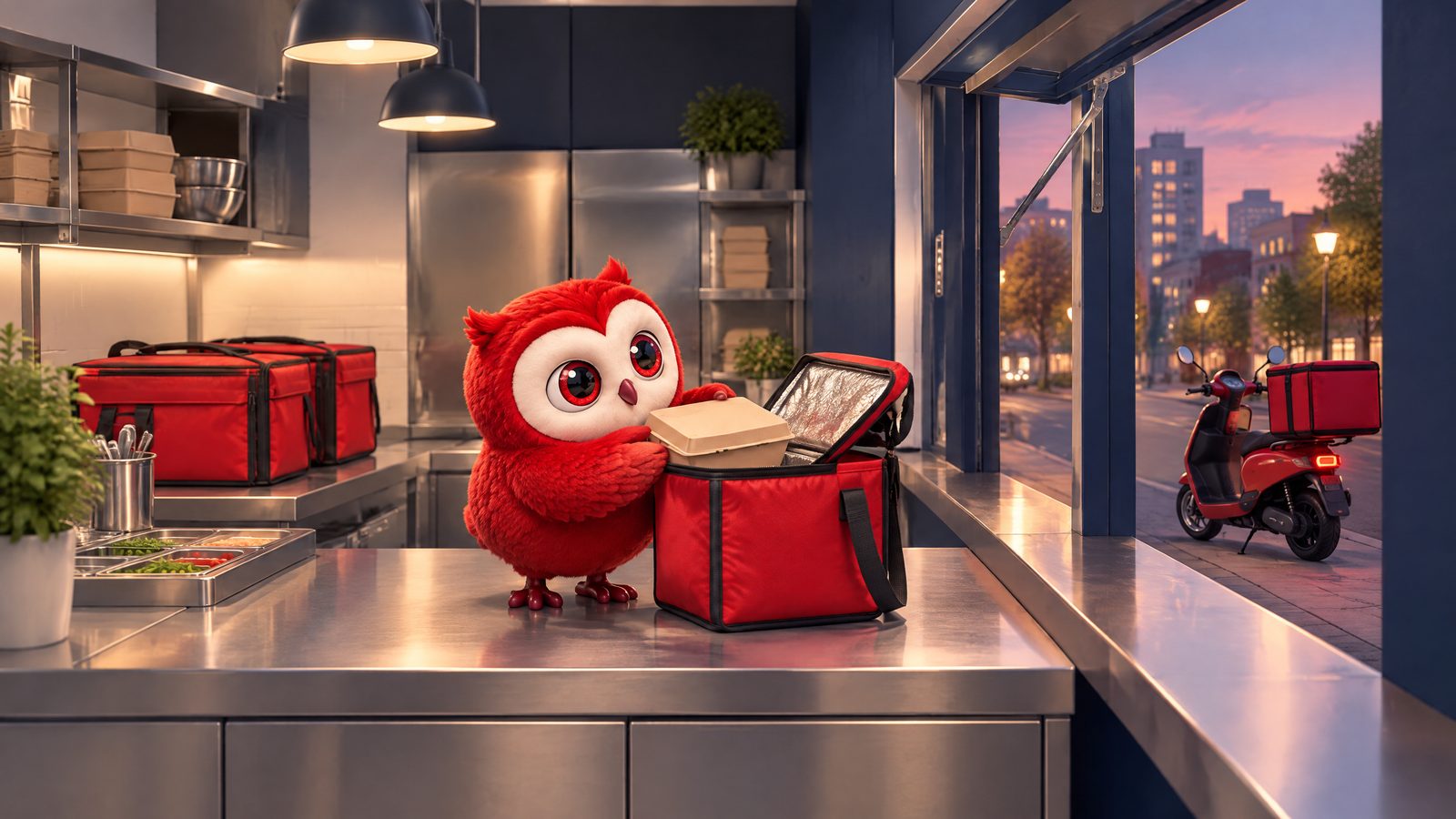
A lease is a three-to-five-year answer to a question you have not asked yet. The question is whether people in this city, in this district, will order this food at this price. A shared kitchen rented by the month answers it for a fraction of the money and none of the commitment.
This is the part of opening a restaurant in Poland that most founders skip, and skipping it is why the lease so often turns out to be the expensive mistake rather than the permits.
What you are actually testing
Not whether the food is good. You know that. Four things you do not know:
- Price tolerance. What a Polish delivery customer will pay for your dish, as opposed to what it costs you to make plus the margin you want.
- Which district. Order density is not evenly spread and it does not follow the rents. A delivery test tells you where your customers are before you sign for where you guessed they were.
- Repeat rate. The number that decides whether a restaurant works. One order is curiosity; the fourth is a business.
- Which dishes travel. Half of most menus does not survive twenty minutes in a bag, and finding that out after the fit-out is expensive.
What it does not let you skip
Be clear about the paperwork, because this is where the model gets misunderstood. Premises approval belongs to whoever operates the kitchen you are renting. Establish in writing that their approval covers what you intend to cook, that you are permitted to operate from there, and who is responsible for what if there is an inspection. If a shared-kitchen operator is vague about this, that is your answer about the operator.
You will still need a company, and you will still need the food-safety discipline of a real kitchen. What you avoid is the lease, the fit-out, the permits tied to premises, and the five-year bet.
When to stop testing
Three signals, and you want at least two:
- Repeat orders are a stable share of the total over several months, not one good month.
- You know which four or five dishes carry the business and can say why.
- Demand is concentrated somewhere you could afford a lease. If it is concentrated where you cannot, that is useful information rather than a defeat.
Then the lease conversation is different. You walk in with order data, a proven price point and a district chosen from evidence — which is also a much stronger position from which to ask a landlord for a fit-out contribution.
What we do on this
The brand, the menu design, the delivery-platform listings and the Polish-language social presence that makes a new name orderable at all. See brand identity and Enter Poland.
Tell us the city and the cuisine and we will tell you what we would test first.
Frequently asked questions
Can I test a Polish city without signing a lease?
Yes — a shared kitchen rented by the month plus delivery platforms lets you test price tolerance, district, repeat rate and which dishes travel, without the lease, the fit-out or the premises-bound permits.
Do I still need Sanepid approval for a delivery-only kitchen?
The premises approval belongs to whoever operates the kitchen you rent. Get it in writing that their approval covers what you intend to cook, that you may operate from there, and who is responsible in an inspection. Vagueness on that point tells you about the operator.
When should I stop testing and sign?
When repeat orders are a stable share of the total over several months, you know which four or five dishes carry the business, and demand is concentrated somewhere you could afford. Two of those three is enough.
Latest insights
Newsletter
Subscribe our
newsletter

By clicking the submit button, you agree to the
rules for processing personal data.