
How Custom Graphic Design Quietly Drives Your Conversion Rates


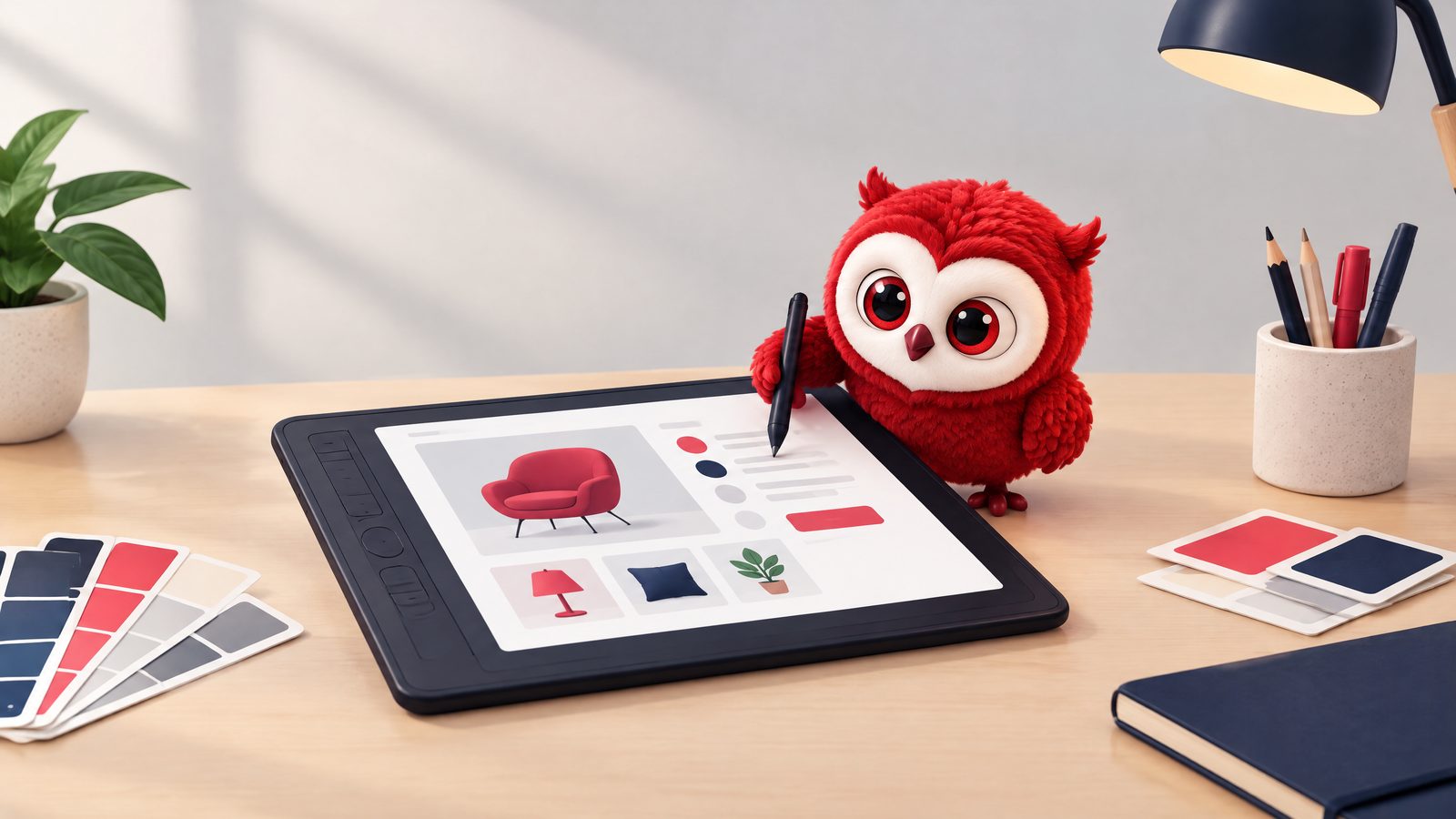
You can buy all the traffic in the world and still lose the sale in the first three seconds. Visitors judge your brand before they read a word — and that judgment is almost entirely visual. This is a practical look at how custom graphic design moves conversion rates, and where most founders leave money on the table.
Design is a trust signal before it is a taste signal
When a foreign founder launches in Poland or wider Europe, the audience has zero history with the brand. There is no goodwill to coast on. In that vacuum, design carries the entire first impression — credibility, price positioning, and whether the product feels safe to buy.
Stock-template visuals say "small, temporary, risky." Considered, custom visuals say "established, intentional, here to stay." That perception gap is worth real conversion percentage points, especially for a newcomer competing against incumbents.
This is why we treat graphic design as a revenue function, not a cosmetic one. It works hand in hand with brand identity to make a young company look like a category leader.
Think of it this way: a buyer who has never heard of you is constantly asking one silent question — "can I trust these people with my money?" Every visual choice either answers yes or plants a seed of doubt. Polished, consistent design is the cheapest, fastest way to answer yes at scale.
The four places design changes the number
Conversion is not one moment — it is a chain of micro-decisions. Strong visuals reduce friction at each link:
- Hero clarity: a clean visual hierarchy means the value proposition lands in seconds, not after a scroll.
- Product perception: quality imagery and packaging visuals let you defend a premium price instead of competing on discounts.
- CTA contrast: deliberate colour and spacing make the next action obvious, lifting click-through on buttons and forms.
- Cognitive ease: consistent type, grids and iconography lower the mental effort to understand and trust the offer.
A concrete example: visuals as a price defence
Take a beauty brand fighting for shelf and screen attention against established names. For our client Topface, cohesive visual direction across paid ads, social and product imagery did more than look good — it justified the positioning and kept the brand from sliding into a discount war.
The pattern repeats with food and hospitality brands like Honey Victory Hills, where premium visual storytelling let the product command attention and price. Good design does not just attract clicks — it protects margin.
Industry benchmarks back this up: studies repeatedly find that the majority of users cite a website’s look as the top factor in judging a company’s credibility, and that first impressions form in well under a second. In a market entry context, that half-second is your whole funnel.
Consistency is the multiplier most founders miss
A single great asset is nice. A consistent visual system across every surface is what actually compounds. When your ad, your landing page, your packaging and your invoice all look like they came from the same confident brand, each touchpoint reinforces the last — and trust accumulates instead of resetting.
Inconsistency does the opposite. A buyer who clicks a slick ad and lands on a mismatched page experiences a tiny jolt of doubt, and doubt is the enemy of conversion. The fix is to design a reusable system — type scale, colour, spacing, imagery rules — and apply it everywhere, which is exactly what tight creative direction delivers.
Where founders waste their design budget
Most wasted spend comes from treating visuals as a one-off deliverable instead of a system. The usual traps:
- Beautiful homepage, broken everywhere else — no consistency across email, ads and packaging.
- Design without strategy — pretty work that does not reflect brand strategy or who the buyer actually is.
- Ignoring the post-click experience — strong ads sending traffic to a weak UI/UX that leaks conversions.
The fix is to connect the dots: one visual language, owned end to end, from the first ad impression to checkout.
How to brief design as a conversion asset
If you want design to move the number, brief it like a growth project, not an art request. The difference is in the inputs you hand the designer.
- Lead with the goal: which metric should this asset move — clicks, sign-ups, checkout completion?
- Name the buyer: who they are, what they fear, and the objection the visual must overcome.
- Define the one action: the single thing the viewer should do, so hierarchy can point straight at it.
- Provide the system: the brand identity rules so the work is consistent, not a one-off.
- Plan the test: decide upfront how you’ll measure whether it worked.
Brief this way and design stops being a matter of taste arguments and becomes a repeatable lever you can pull with confidence. That is also how a product design mindset bleeds into marketing: every surface is treated as an experience with a job to do.
Frequently asked questions
Does custom graphic design really beat templates for conversion?
For commodity products at rock-bottom prices, templates can be "good enough." For anything where trust or premium positioning matters — exactly the situation for a foreign brand entering Europe — custom design measurably outperforms by lifting perceived credibility and reducing hesitation.
How is graphic design different from brand identity?
Brand identity is the strategic system — logo, palette, voice and rules. Graphic design is the day-to-day application of that system across ads, decks, packaging and social. You need both; identity sets the direction, design executes it. See our brand identity service for the foundation.
Can I measure design’s impact on conversion?
Yes. A/B test hero sections, CTA styling and product imagery, and watch bounce rate, time-to-action and checkout completion. Pair this with broader conversion-rate optimization tactics to isolate what the visuals are doing.
If your traffic is healthy but your conversion is not, the gap is often visual. Let’s pressure-test your design as a sales tool — explore our graphic design service or book a conversation and we’ll show you where the points are hiding.
Latest insights
Newsletter
Subscribe our
newsletter

By clicking the submit button, you agree to the
rules for processing personal data.