
UI/UX Best Practices That Actually Win European Buyers


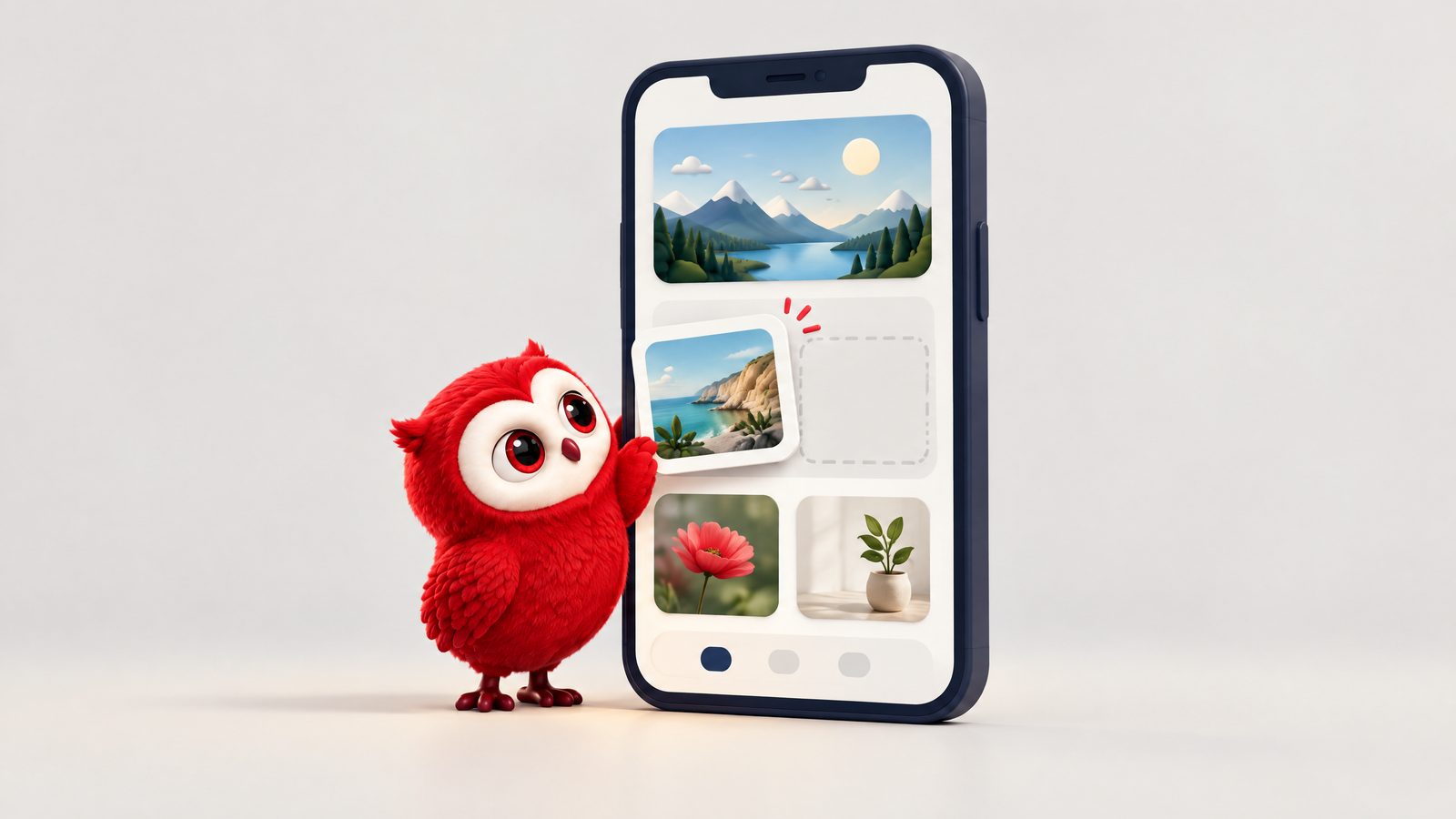
The interface that sells in your home market can quietly fail in Europe. Different trust cues, payment habits, privacy expectations and languages all reshape what "good UX" means. Here are the UI/UX best practices that actually move the needle with European consumers.
European users are skeptical by default — design for it
European buyers, and Central European buyers in particular, tend to research more and trust faster-than-light claims less. Your UI/UX design has to earn confidence rather than assume it.
It helps to remember that a foreign brand starts with a small trust deficit simply by being unfamiliar. Every design decision either closes that gap or widens it. The interface is not a neutral container for your offer — it is the offer’s first and loudest endorsement.
That means visible trust signals: clear pricing in local currency, transparent shipping and returns, recognisable local payment methods, and honest microcopy. Hide the catch and you lose the sale.
Payment habits are a particularly easy thing to get wrong. Many Central European shoppers expect options like BLIK, local bank transfers, or cash-on-delivery — not just the card-only flow that works at home. If a buyer reaches checkout and doesn’t see a method they trust, the whole funnel collapses at the final step.
Speed and mobile-first are non-negotiable
A large share of European e-commerce traffic is mobile, and patience is thin. Every extra second of load time bleeds conversions, and slow pages also quietly damage how trustworthy the brand feels. Prioritise:
- Mobile-first layouts, not desktop designs squeezed onto a phone
- Fast, optimised images and lean pages — performance is a UX feature, see going headless for speed
- Thumb-friendly tap targets and a checkout that survives one-handed use
- Minimal form fields — ask only for what you genuinely need
GDPR and consent are part of the experience
In Europe, privacy is not a legal footnote — it shapes the first interaction. A clumsy cookie wall or a dark-pattern consent banner is the first thing many users see, and it sets the tone.
Design consent flows that are clear, honest and quick to dismiss. Respecting the user’s choice is itself a trust signal, and it keeps you out of regulatory trouble. Clean privacy UX is a competitive advantage, not a constraint.
There is a wider lesson here. European users have learned to associate respect for their attention and data with quality. A brand that treats consent as a genuine choice — rather than a manipulation to be engineered around — signals exactly the kind of reliability that converts skeptical first-time buyers into repeat customers.
Reduce choices and guide the eye
Skeptical buyers are also easily overwhelmed. The more decisions you force, the more chances they have to abandon. Strong European-ready interfaces are ruthlessly clear about the next step.
Use visual hierarchy to make one primary action obvious on every screen, defer secondary options, and let the layout breathe. This is where UI/UX design and graphic design overlap: clarity is both an aesthetic and a conversion decision.
Localisation is more than translation
Swapping English for Polish is the easy part. Real localisation adapts the whole experience:
- Language that reads natively — idioms and tone, not literal translation.
- Local formats: currency, dates, addresses and phone fields that match local habits.
- Layout room for longer words — German and Polish strings often run longer than English.
- Culturally appropriate imagery and product design choices that feel local, not imported.
When Namo Restaurant built its digital presence in Warsaw, the experience had to feel native to a Polish diner while staying true to the brand — that balance is exactly where thoughtful UX earns its keep.
A useful rule of thumb: a localised experience should feel like it was built in the country, not shipped to it. If a local user can sense the seams — an awkward phrase, a foreign date format, a payment method they don’t recognise — trust quietly erodes even when nothing is technically broken. The seams are where conversions leak.
Accessibility widens the funnel
European accessibility expectations are rising, and accessible design simply converts more people. Sufficient colour contrast, keyboard navigation, readable type sizes and proper labels are not charity — they expand your reachable market and improve usability for everyone.
Test with real European users, then keep iterating
Even the best practices above are hypotheses until your actual audience confirms them. The most common — and most expensive — mistake is shipping a "finished" experience and assuming it works.
Watch real session recordings, run lightweight usability tests with local users, and study where people hesitate or drop. Then iterate on the few high-impact frictions rather than redesigning everything at once. UX is a loop, not a launch.
This discipline pairs naturally with broader conversion-rate optimization: UX research tells you where the friction is, and structured testing tells you which fix actually moves revenue. Together they turn a guessing game into a compounding advantage.
Frequently asked questions
What is the single biggest UX mistake foreign brands make in Europe?
Assuming their home-market interface transfers as-is. The fixable killers are usually hidden costs revealed late, missing local payment options, and English-only copy. Audit the journey through a local buyer’s eyes before you scale spend.
How does good UI/UX connect to conversion rate?
Directly. Every point of friction — a slow page, a confusing form, an untrusted checkout — drops users. Pair strong UX with deliberate graphic design and you compound the gains across the funnel.
Do I need to redesign for every European market?
Not from scratch. Build one robust, flexible design system, then localise the layer that matters — language, payments, formats and trust cues. That keeps you consistent while feeling local in each country.
None of this is exotic. It is disciplined attention to the things European buyers quietly demand — and the brands that get it right win share from competitors who assumed their home-market interface would travel.
European buyers reward clarity, speed and honesty. If your interface is not delivering all three, the leaks are costing you. Explore our UI/UX design service or get in touch for a conversion-focused review of your experience.
Latest insights


Newsletter
Subscribe our
newsletter

By clicking the submit button, you agree to the
rules for processing personal data.