
5 Shopify Custom Apps That Lift Average Order Value


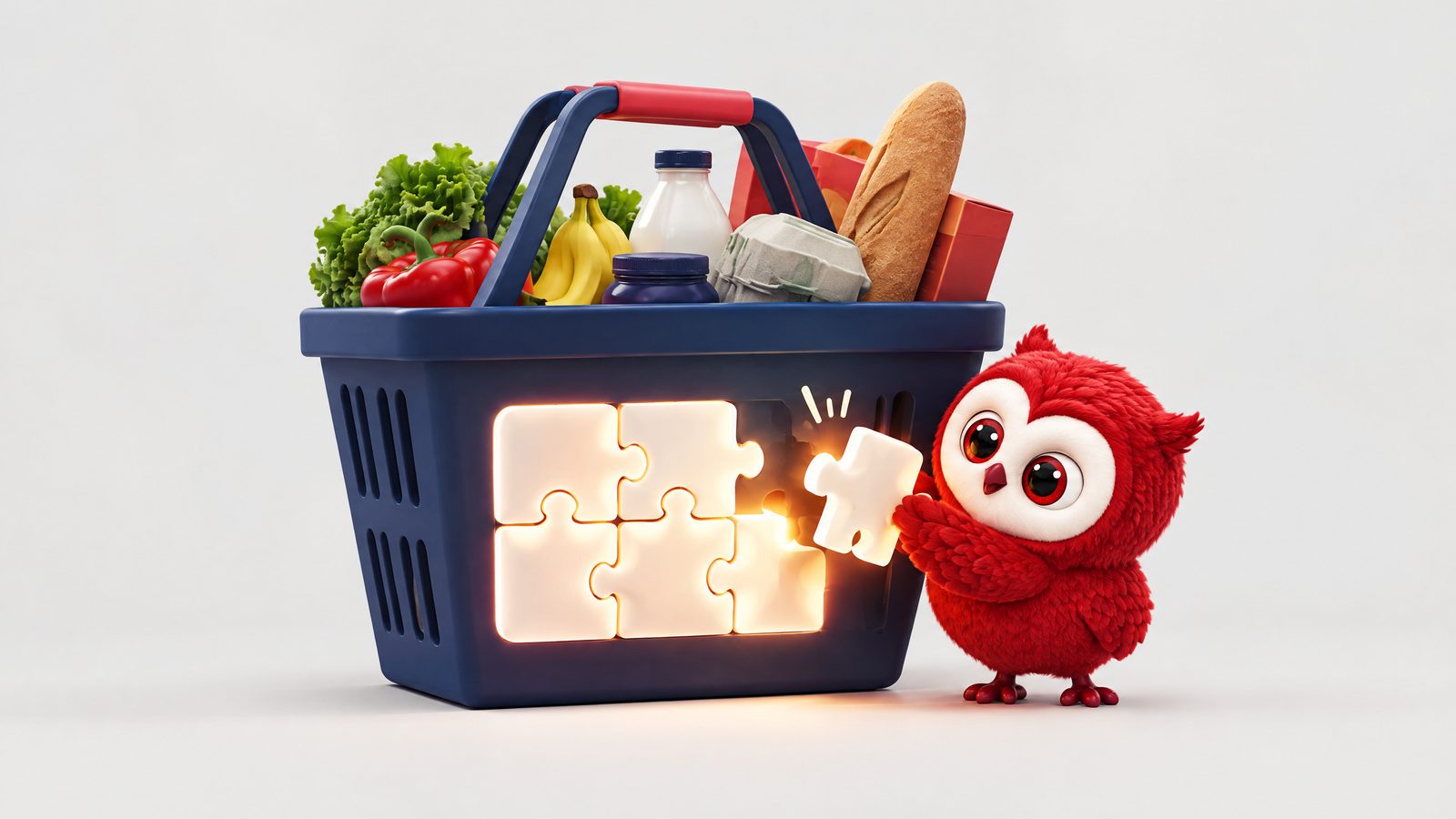
The cheapest growth you will ever buy is the order you already won. Lifting average order value (AOV) means more revenue per checkout with zero extra ad spend — pure margin. Here are five Shopify app categories that move AOV, plus when a custom build beats the app store.
Why AOV is the lever to pull right now
Acquisition keeps getting more expensive. AOV does not depend on winning a new customer — it depends on what the customer you already have decides to add. A 15% lift in AOV often beats a 15% lift in traffic, because it costs almost nothing to deliver.
Shopify makes most of these levers installable in minutes. The trick is choosing the few that fit your catalogue — and knowing when off-the-shelf will not cut it.
Think of it as three doors to a bigger basket: sell more items (upsell and cross-sell), sell grouped items (bundles and kits), or sell again and again (subscriptions and thresholds). The five categories below sit behind those three doors, and most stores should open at least two of them.
1. Smart upsell & cross-sell apps
Post-purchase and cart upsells are the workhorses of AOV. The best apps surface a relevant add-on at the exact moment intent is highest — in the cart or right after the "buy" click.
- Cart upsells: "frequently bought together" and complementary items
- Post-purchase offers: one-click add-ons after checkout, no re-entry of payment
- Rule-based logic: trigger offers by cart value, collection or customer history
Relevance is everything — a random upsell annoys; a smart one feels like service. The difference between "customers also bought a phone case" on a phone page and "customers also bought batteries" is the difference between a sale and an eye-roll. Tuning that logic is where our e-commerce team spends real time.
A quick rule: keep the upsell price below roughly a quarter of the cart value. Shoppers will happily add a small complement to a purchase they have already mentally committed to, but a second big-ticket item at checkout reads as pressure and can cost you the original sale.
2. Bundles & "build your own kit"
Bundles raise AOV and clear inventory at once. They also make the bigger basket feel like the customer’s idea, because they assembled it.
A fabric or fashion brand can bundle by use-case — a full set rather than a single piece. This worked naturally for Textil World, where coordinated fabric sets carry a higher ticket than individual cuts.
There are two flavours worth running side by side. Curated bundles (you pick the combo, you set the discount) are best for guiding new customers and moving slow stock. Build-your-own kits let the shopper assemble their own set from a range — higher engagement, higher perceived value, and a basket they feel ownership over. Both beat a wall of single SKUs for AOV.
3. Tiered rewards & free-shipping thresholds
A progress bar that says "spend 12 PLN more for free shipping" is one of the most reliable AOV nudges in e-commerce. It gives shoppers a concrete, low-effort reason to add one more item.
- Set the free-shipping threshold ~15–25% above your current AOV
- Show a live progress bar in the cart
- Suggest a specific item that closes the gap
The mechanics matter: do the maths so that the average order pushed over the threshold still earns you more than the shipping you give away. Tier it, too — loyalty points, a free gift at a higher spend, or a small discount unlocked at the next level — so the customer always has one more reason to add to the cart.
4. Subscriptions & replenishment
For consumables — beauty, food, anything reordered — subscriptions convert a one-off into recurring revenue and lift lifetime value dramatically. A beauty brand like Topface benefits more from repeat replenishment than from a single larger basket.
The framing shift matters: a subscriber is not a single 80 PLN order, they are a 960 PLN-a-year relationship — and they cost you nothing extra to acquire after the first sale. That is why even a modest subscription take-up rate can outweigh a flashy one-time upsell. Pair subscriptions with the right retention engine and the AOV conversation becomes a lifetime-value conversation — the focus of hyper-personalization in Central European e-commerce.
5. When the app store is not enough: custom apps
Off-the-shelf apps cover the common 80%. The last 20% — the logic specific to your catalogue, your margins, your market — is where a custom Shopify app pays for itself.
- Bespoke pricing or B2B/wholesale tiers the app store handles badly
- Localized bundles and offers that differ per market
- Deep integrations with your ERP, 3PL or local payment providers
- Performance: removing five bloated apps for one lean custom one speeds the store
Stacking too many apps also slows your store and quietly drops conversions. When that happens, consolidating into a custom build is a web development decision worth making.
Stack them — but measure one at a time
The biggest mistake is switching on all five categories at once and never knowing which actually moved the needle. Layering is good; flying blind is not.
- Pick the two levers that best fit your catalogue and turn them on first
- Track AOV before and after for two to four weeks — long enough to be real
- Keep what lifts AOV without denting conversion rate; drop what does not
- Re-audit your installed apps quarterly and remove anything unused or overlapping
AOV and conversion rate can pull against each other — an aggressive upsell that lifts the average basket but scares off buyers is a net loss. Always watch both numbers together, not one in isolation.
FAQ
How much can I realistically lift AOV?
Many brands see double-digit percentage lifts from upsells, bundles and shipping thresholds combined. Results depend on catalogue and margins, but because the cost is near-zero, even small lifts are high-ROI.
Will more apps slow down my Shopify store?
Yes — every app adds scripts. Past a handful, page speed and conversions can drop. Audit regularly and consolidate overlapping apps, ideally into one lean custom app.
When should I build a custom app instead of installing one?
When your logic is specific (B2B pricing, localized bundles, ERP/3PL integration) or when app bloat is hurting performance. At that point a custom build is cheaper over time than fighting the app store.
AOV is the rare growth lever you can pull without spending a euro more on ads. If you want help choosing the right apps — or building the one the app store cannot — let’s talk.
Latest insights


Newsletter
Subscribe our
newsletter

By clicking the submit button, you agree to the
rules for processing personal data.